
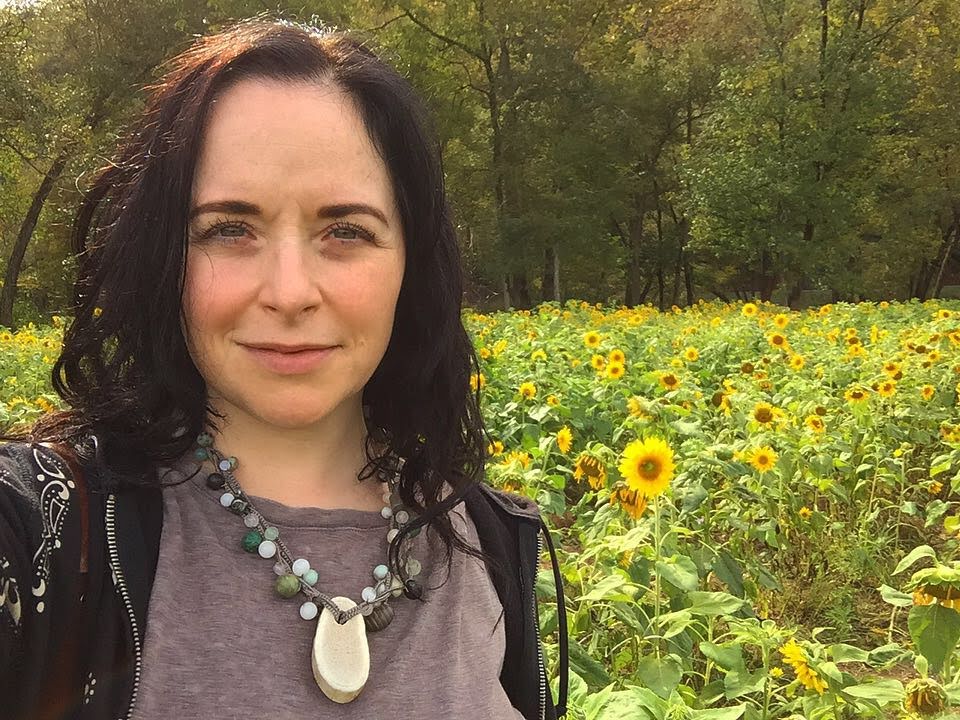
About Me
If You'd Asked Me Years Ago Where I'd End Up, I Wouldn't Have Guessed Here
My path to healing wasn’t a straight line—it was a winding road of early mornings, aching muscles, untreated trauma, and quiet revelations.
Before I studied the nervous system, energy work, or embodied healing, I learned something that felt completely unrelated: How to Bake.
At 20, I packed up and moved to Portland for culinary school. It was a bold move—fueled more by curiosity than a master plan.
I fell in love with the rhythm of baking. Kneading dough, shaping loaves, watching raw ingredients transform into something nourishing—it was tactile, creative, and quietly sacred. I didn’t know it then, but those early lessons in patience, timing, and trust would shape how I understand healing today.
Because, like baking, healing takes time.
It needs the right conditions.
It asks for presence.
Sometimes, it requires gentle pressure.
Other times, it just needs rest.
I spent years in kitchens—waking before sunrise, covered in flour, chasing a version of success that never quite fit. I eventually walked away from the food industry, but I carried its wisdom with me.
And that’s where this story begins
Understanding the Body’s Language
When I transitioned into manual therapy, I found my rhythm quickly. Working with my hands, reading nonverbal cues, and tuning into people’s pain all came naturally.
Turns out, as a recovering people-pleaser, this field was tailor-made for me.
Offering a way to care for others while using skills I didn’t even realize were unique. I was already trained in reading between the lines, anticipating needs, and holding space for others.
Now, I had a massage table—and a license to help.
But week after week, Year after year I watched familiar faces return with the same pain in the same places. The relief we created was temporary and the fact that it didn’t last gnawed at me. What I also began to notice is how much mental and emotional weight my clients brought into every session. They focused solely on the physical pain, but as I laid hands on their pain details about their life and struggles poured out of them. Listening, redirecting and educating my clients about their nervous system and emotions became the focus of my work.

So I started asking deeper questions in my practice and of my clients:
How much of physical pain is influenced by emotional dysregulation?
Is the nervous system firing off alarms signals without an existing injury?
If so, how do we hit the reset button?
I dove into movement coaching, nervous system work, and EFT (Emotional Freedom Techniques). And the more I learned, the more it all began to click. Healing wasn’t about “fixing” an isolated muscle or managing surface-level stress. It was about listening—really listening to the body’s signals. To the memories stored in scar tissue, and clenched jaws. To the survival stories clients held in shoulders, hips, and breath. Healing meant tracing pain back to its roots.
Unraveling the protective patterns and emotional trauma that once made sense because it kept us safe—but now it just keeps us stuck.
It meant making room—gently, slowly—for something new. Not just for my clients. For me, too. Because you can’t learn a healing modality without also healing yourself, and I have learned that healing is not linear, it is multi-dimensional. Meaning we heal on multiple levels all at the same time.
The Shift
After 15 years of working for other people—following their protocols, fitting into their models—I realized something:
I was different, My approach was different.
To honor what I was seeing in session after session, I had to build a new process—one that didn’t ask people to ignore their emotions and focused solely on their physical pain.
In my work I listen to the body’s signals, understand emotional trauma is valid, and treat physical pain as part of a bigger conversation—where the nervous system and physical pain are seen as partners, not strangers.
That's How The Quiet Body Was Born

I built this space for people like me— The ones who are burnt out, exhausted, and overwhelmed by the constantly conflicting information they receive from doctors and therapists. Those who know, deep down, that life could be better.
Here, I don’t just treat symptoms. I ask questions.
Lots of them.
I listen to the answers
I listen to what the body is trying to say.
And I go to the root. Through a blend of movement coaching, acupressure tapping (EFT), nervous system regulation, and energy work, I help clients:
Reconnect with their body’s innate wisdom
Release emotional and physical patterns that no longer serve them
Create lasting change—from the inside out
Because pain isn’t just “in your head.” It’s in your story.
And together, I’ll help you rewrite it.
A Few Things You Should Know About Me

🔹 Breathwork is my non-negotiable. If I could tattoo one word on every client (metaphorically, of course), it would be: Breathe.
🔹 Healing isn’t just science—it’s art. I blend practical, body-based techniques with intuitive energy work to create something that feels both grounded and transformational.
🔹 If you’re looking for a one-size-fits-all approach, I’m probably not your person. Every session is tailored—because no two bodies, and no two stories, are the same.
🔹 I believe humor belongs in healing. If you’re cool with the occasional snort-laugh mid-session, we’ll get along just fine.
You Don't Have To Figure It Out Alone
Frequently Asked Questions
How Does The Quiet Body Support LGBTQ, Neurodivergent Clients and other marginalized groups?
At The Quiet Body, I prioritize creating a safe, affirming, and inclusive environment for all clients. Many LGBTQ and neurodivergent individuals face unique challenges, including societal pressures, discrimination, sensory sensitivities, and emotional distress. My practice is intentionally designed to meet these needs with empathy, care, and individualized approaches.
For LGBTQ Clients:
Affirming Space: I focus on making every client feel welcome by using inclusive language, listening without assumptions, and honoring your identity.
Addressing Unique Challenges: Many LGBTQ clients experience emotional pain tied to discrimination, identity exploration, or being dismissed by healthcare providers. Using EFT, we emotional triggers and provide relief from the weight of societal or internalized pressures.
Validating Experiences: I acknowledge the systemic biases that often impact access to adequate care for marginalized groups, including women, individuals from black and brown communities, LGBTQ individuals, neurodivergent people, and those with disabilities. At The Quiet Body, I am committed to creating a safe, affirming space where your experiences are listened to, validated, and supported as part of your healing journey.
For Neurodivergent Clients:
Sensory Awareness: Sessions are adapted to accommodate sensory needs, such as adjusting lighting or pacing to ensure comfort. I’m mindful of the environment and how it can impact your experience.
Clear Communication: I work with clients to establish communication preferences, using more structured or direct approaches as needed to create a comfortable dialogue.
Neurodiversity-Affirming Practices: I view neurodivergence as a natural variation in human experience and celebrate each client’s unique strengths and challenges. EFT and proprioceptive assessments are tailored to work with your individual neurological and emotional patterns.
For Clients with Intersecting Identities:
Clients who identify as both LGBTQ and neurodivergent may face compounded challenges, including navigating systems that often misunderstand or overlook their needs. At The Quiet Body, I focus on addressing these complexities holistically. Through EFT, energy work, and nervous system assessments, I help clients release emotional pain, improve self-connection, and feel empowered in their healing process.
Can your services replace traditional medical treatment?
No, our work complements traditional medical care and is not a substitute for professional medical advice, diagnosis, or treatment. We encourage collaboration with healthcare providers for comprehensive care.
In some cases, clients will be required to provide a referral list of physicians and therapists for collaboration with an EFT practitioner or coach. This measure ensures the safety and well-being of our clients and is assessed on a case-by-case basis. If you are unable to obtain a referral, we will provide a list of trusted professionals to assist you.
Are virtual sessions just as good as in person sessions?
Yes! EFT, breath work, and aspects of energy work can be effectively conducted online. Virtual sessions offer the same personalized care and are convenient for those unable to visit in person.
Quick Links
Legal
Follow Me


